02 / Edition / 年度 2026
Human Clocks / 人的时钟主题
Theme人的时钟Human Clocks
在标准时钟之外,我们还能听见多少种时间?
Beyond the clock, how many layers of time can we hear?
回望今年离世的大卫·霍克尼,再看《后室》里的阈限空间,不免让人重返爱德华·霍普画中的寂寥。来自不同年代的图像,共同映出一重现代悖论:生活愈发高效便捷,人却囿于孤独与无聊,仿佛时间随之悬停。文化与体感时间在淤塞,社会时间却愈发湍急。被精准切分的“空洞时间”,仍催着我们步履不停。
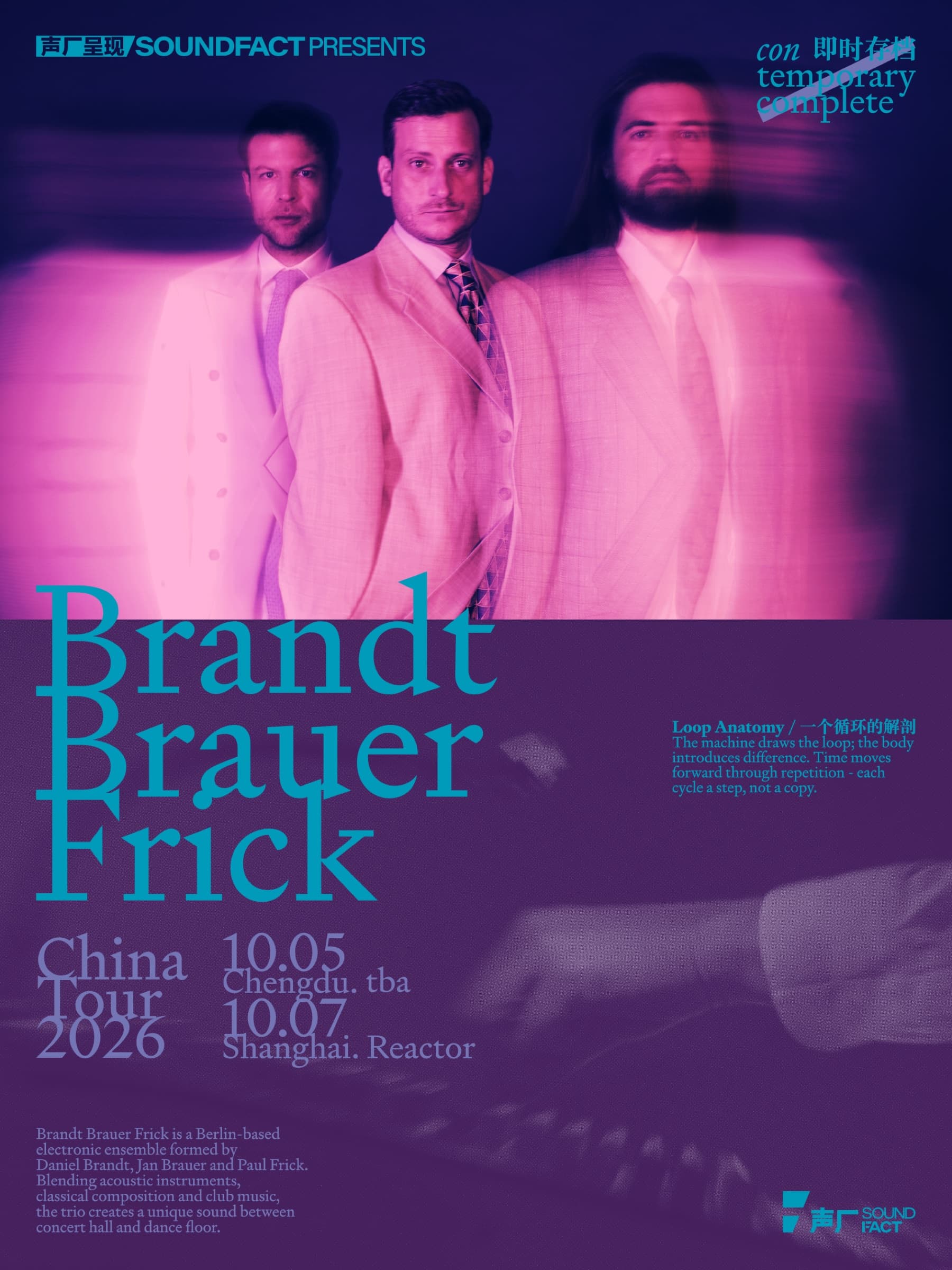
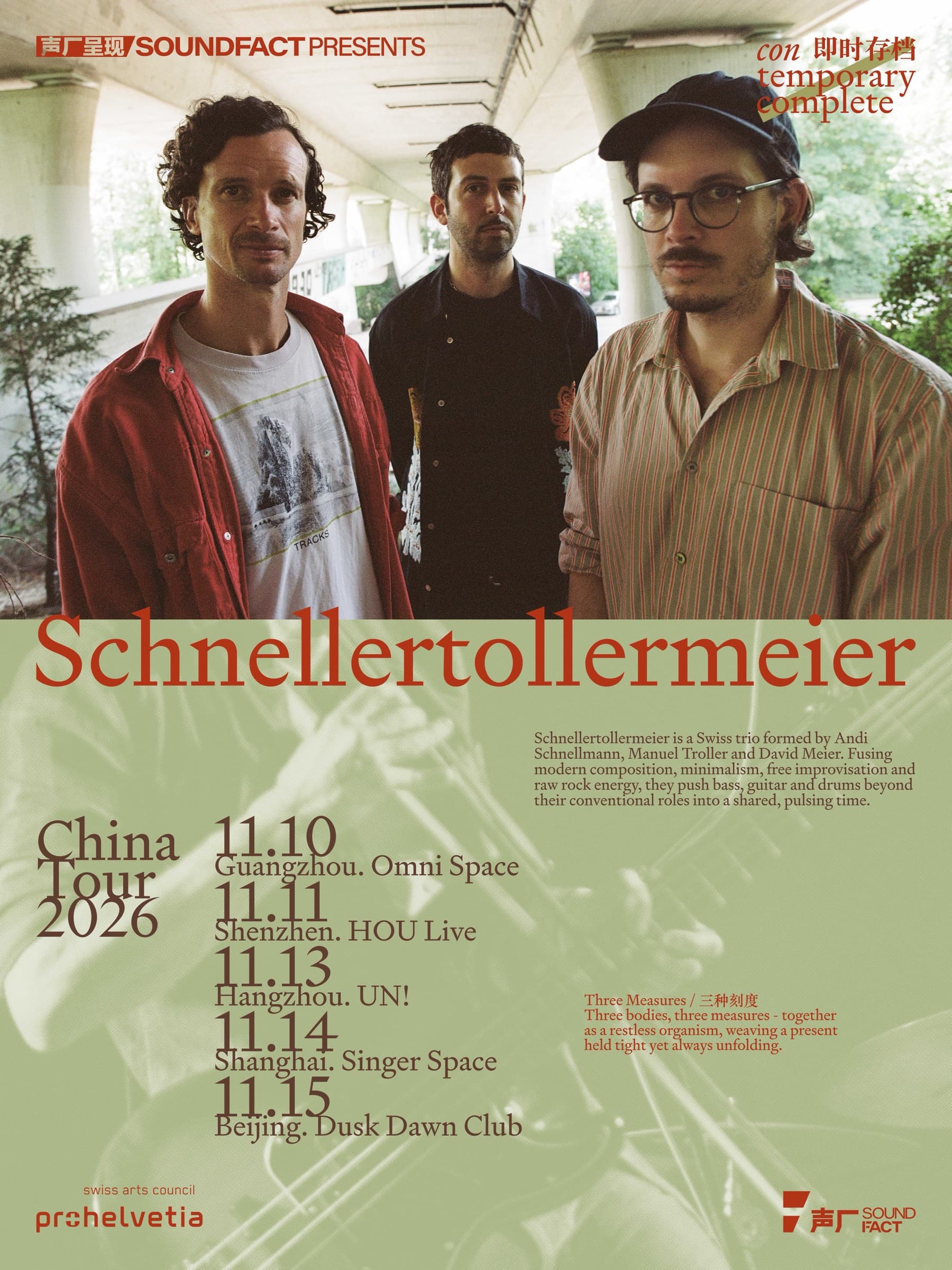
马克·费舍这么描述这种错位:“生活还在继续,时间却不知为何停止了。”时间究竟是现代的秩序,还是游荡的幽灵?在标准时钟的滴答声响外,我们还能听见多少种时间?带着这个问题,今年我们与三组音乐人相遇。他们以声音编织不同的“时钟”,让时间在身体中变奏、在听觉的流动中重新塑形。
Looking back at David Hockney, who passed away earlier this year, and then at the liminal spaces of the Backrooms, we inevitably find ourselves returning to the solitude of Edward Hopper's paintings. Images from different eras reflect the same modern paradox: as life becomes ever more efficient and convenient, we find ourselves increasingly confined by loneliness and boredom, as though time itself has come to a standstill. Cultural time and our lived sense of time seem to stagnate, while social time rushes ever faster. Yet these precisely measured fragments of “empty time” continue to propel us forward.
Mark Fisher described this dislocation as: “Life continues, but time has somehow stopped.” Is time an order imposed by modernity, or a wandering ghost? Beyond the clock, how many layers of time can we hear? With this question in mind, we encountered three groups of musicians this year. Through sound, each weaves a different kind of “clock” — allowing time to shift and mutate through the body, and to take on new forms in the flow of listening.
项目
Projects日程
Schedule记录
Records